Dave “Grunt” Rogers says his journey to becoming a candidate for Mayor of Shelbyville, Tenn., didn’t begin in a boardroom or behind a political desk but on the New York streets.
Born in NYC, Rogers found himself homeless at just 15. At an age when most young people are thinking about school, friends, and what they want to become, he was learning how to survive. Those difficult years gave him an understanding, he notes, of what it means to struggle, to need an opportunity, and to know that sometimes a person simply needs someone willing to give them a chance.
“I believe in giving people a hand up, not a hand out,” Rogers says.
Joining the US Army helped change the direction of his life. Military service provided discipline, purpose, responsibility, and an opportunity to build a future. Rogers continued his education through college and eventually earned advanced degrees, transforming a life that began with homelessness into one centered on service, leadership, and community involvement.
Rogers advises that his military career also provided experience that he believes can translate directly into City leadership. Working in logistics and management meant understanding budgets, personnel, resources, transportation, planning, and the importance of making sure many different moving parts work together toward a common mission.
A City requires that same kind of coordination, according to Rogers. Roads, public services, employees, businesses, infrastructure, budgets, and future development cannot be treated as separate issues. Decisions in one area often affect every other part of the community. Rogers believes good leadership requires looking beyond the immediate problem and planning for the long-term consequences of today’s decisions.
But his perspective comes from more than professional experience, he notes. For approximately 40 years, Rogers has advocated, volunteered, served, and worked alongside people from different walks of life. That experience, he notes, has allowed him to see community challenges from the ground level—not simply through reports and statistics, but through conversations with residents and hands-on service.
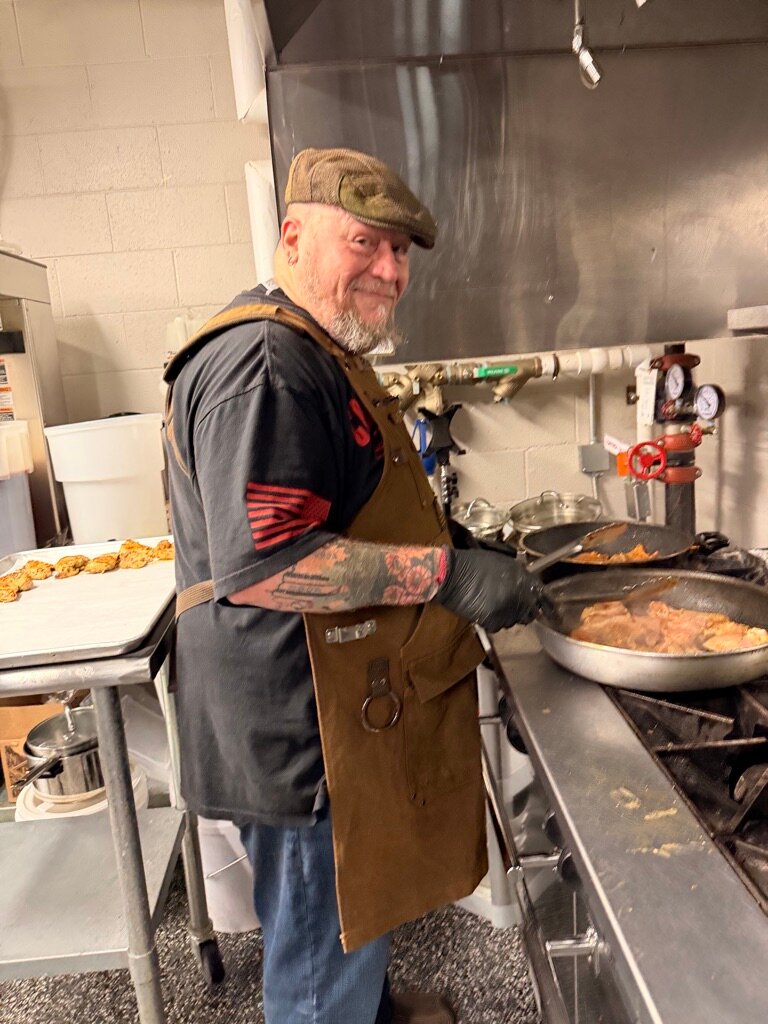
Rogers is also not afraid to roll up his sleeves and get involved personally. He started a nonprofit dedicated to helping feed veterans and their families. Together with the Bedford County Health Fair created a Health and Veteran Fair for Bedford County to bring health resources, veteran services, community organizations, and residents together in one place. He regularly helps cook at the local soup kitchen, putting service into action “one meal at a time.”
As chair of the Health Council, Rogers has been working with the Bedford County Health Council on efforts to bring transportation to Shelbyville. He says he recognizes that reliable transportation can open the door to jobs, healthcare, groceries, education, training, and other opportunities that might otherwise remain out of reach.
These efforts reflect Rogers’ belief that leadership should not begin when someone is elected to office. But rather that leadership begins by identifying a need, bringing people together, and getting to work.
Rogers is also not afraid to speak up when he believes it matters. He has advocated against bringing data centers to the community when he believes their impact on resources, infrastructure, jobs, and Shelbyville’s character would outweigh their benefits. He has also worked to propose legislation aimed at helping people in need, taking community concerns beyond conversation and working to turn ideas into action.
That same approach shapes his vision for Shelbyville’s growth.
“Growth means change, but that does not mean we have to give up what makes Shelbyville unique,” Rogers says.
He believes Shelbyville can grow while protecting its identity, supporting the people and businesses already here, and making thoughtful decisions about development. Growth should strengthen the community rather than simply make it bigger.
Rogers believes Shelbyville’s future should be built around practical goals that improve everyday life for the people who already call the city home.
Those goals include balancing the city budget and making responsible use of taxpayer dollars; supporting local businesses and strengthening the local economy; investing in essential city services and infrastructure; and creating more opportunities for working families to build stable, successful lives in Shelbyville.
Rogers also believes transparency and accountability must be fundamental parts of city government. Residents deserve to understand how their money is being spent, why major decisions are being made, what city government is working on, and how those decisions will affect their families and neighborhoods.
As part of that commitment, Rogers proposes creating a City Mayor Podcast to communicate directly with residents. The podcast would provide regular updates about the work of city government, explain important issues and decisions, discuss current and upcoming projects, and help residents better understand what is happening in their city. Rogers believes communication between City Hall and the community should not be limited to meetings or election season. Residents should have an accessible way to stay informed throughout the year.
Leadership, in his view, should be accessible, accountable, and willing to answer difficult questions.
His story—from a homeless teenager on the streets of New York City, to serving in the Army, earning a college education, working in logistics and management, starting a nonprofit, feeding veterans, cooking at the soup kitchen, organizing community events, advocating for transportation, speaking up on community issues, and spending decades serving others—is the perspective Rogers hopes to bring to Shelbyville’s future.
For Rogers, leadership is not about what someone promises they will do someday. It is about what they have already demonstrated they are willing to do.
For him, the campaign comes down to two simple principles:
DEEDS NOT WORDS.
GOALS NOT PROMISES.