Noah Maddox
SHELBYVILLE, Tenn. – When you see a major event taking place in any city, whether it’s a bowl game, a major conference basketball tournament, or even the NFL Draft, most people don’t normally think about the people responsible for actually hosting the event. However, without those people behind the scenes, both the host city and the people attending would never be able to enjoy and experience the wonders of an SEC Tournament or a Music City bowl right in their backyard.
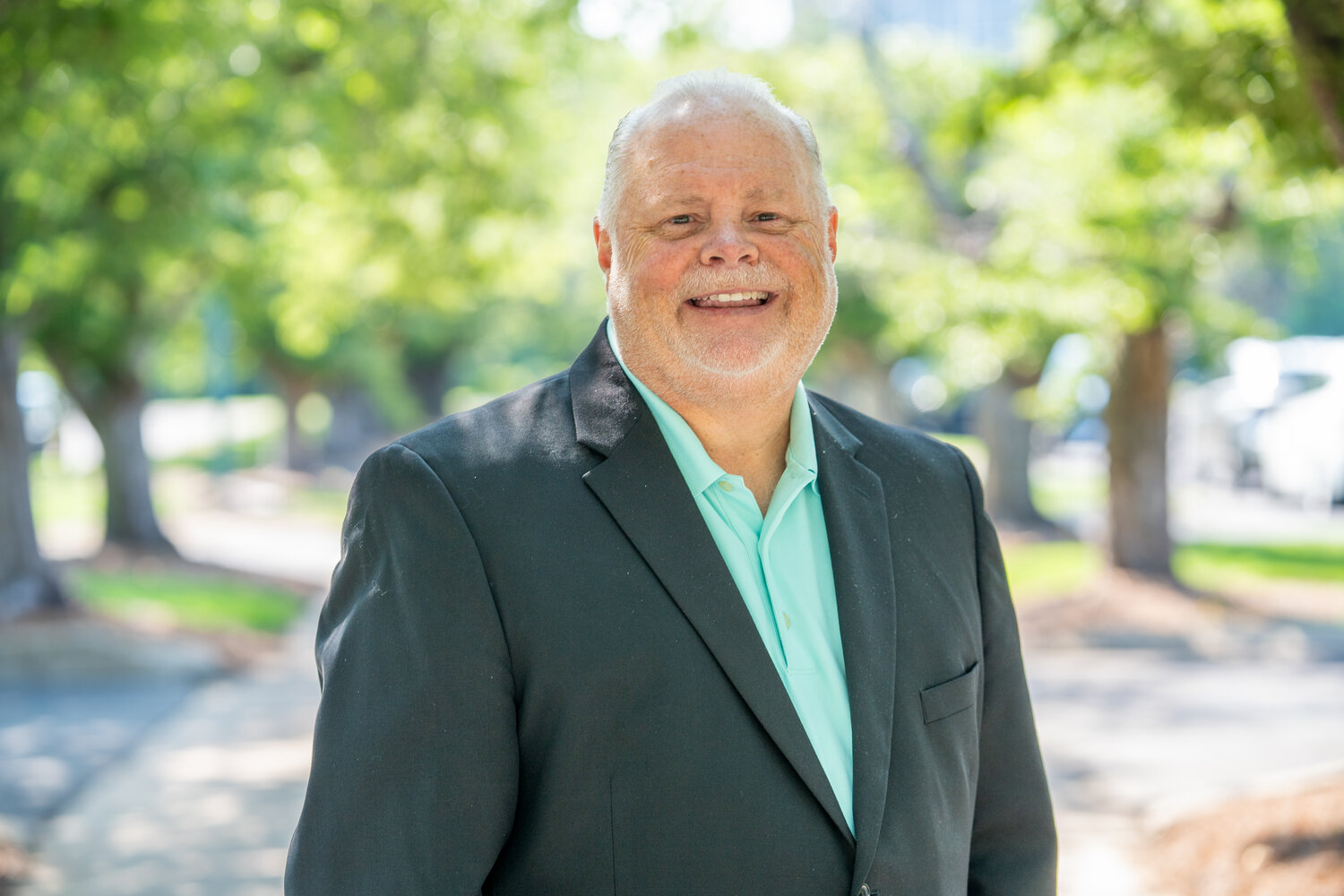
Jay Grider, a Shelbyville native who graduated from Shelbyville Central High School in 1983 before moving on to Middle Tennessee State University, is one of those important people responsible for running a major event behind the scenes. Grider is the COO/Special Advisor at the Nashville Sports Council, a non-profit organization that began in 1992, “dedicated to bringing major sporting events to the city, driving a positive economic impact, and improving the local quality of life,” according to Grider.
The Sports Council – otherwise known as the NSC – has done just that. Nashville hosts major events annually like the Men’s Basketball SEC Tournament and the Music City Bowl. In May, Nashville was also announced as the host for Super Bowl LXIV.
Of course, Nashville wasn’t always this hot of a destination for major sporting events. Grider also wasn’t always one of the leaders in the organization responsible for coordinating these major events. Grider’s career path from the bowels of MLB’s Minor League to the top of the event hosting world runs directly parallel to the city of Nashville’s growth into the destination hub it has turned into today. In his recently published book, Last Call: From the Minor Leagues to Nashville’s Rise as a Major Sports Destination, Grider puts those parallels on full display in an easy-to-read manner, almost like Grider and the reader are talking casually at a bar after work. Fortunately, he pulls back the curtain so the reader can get a better understanding of how event operations work, at least enough to understand the amount of time and effort that goes into something like hosting a bowl game.
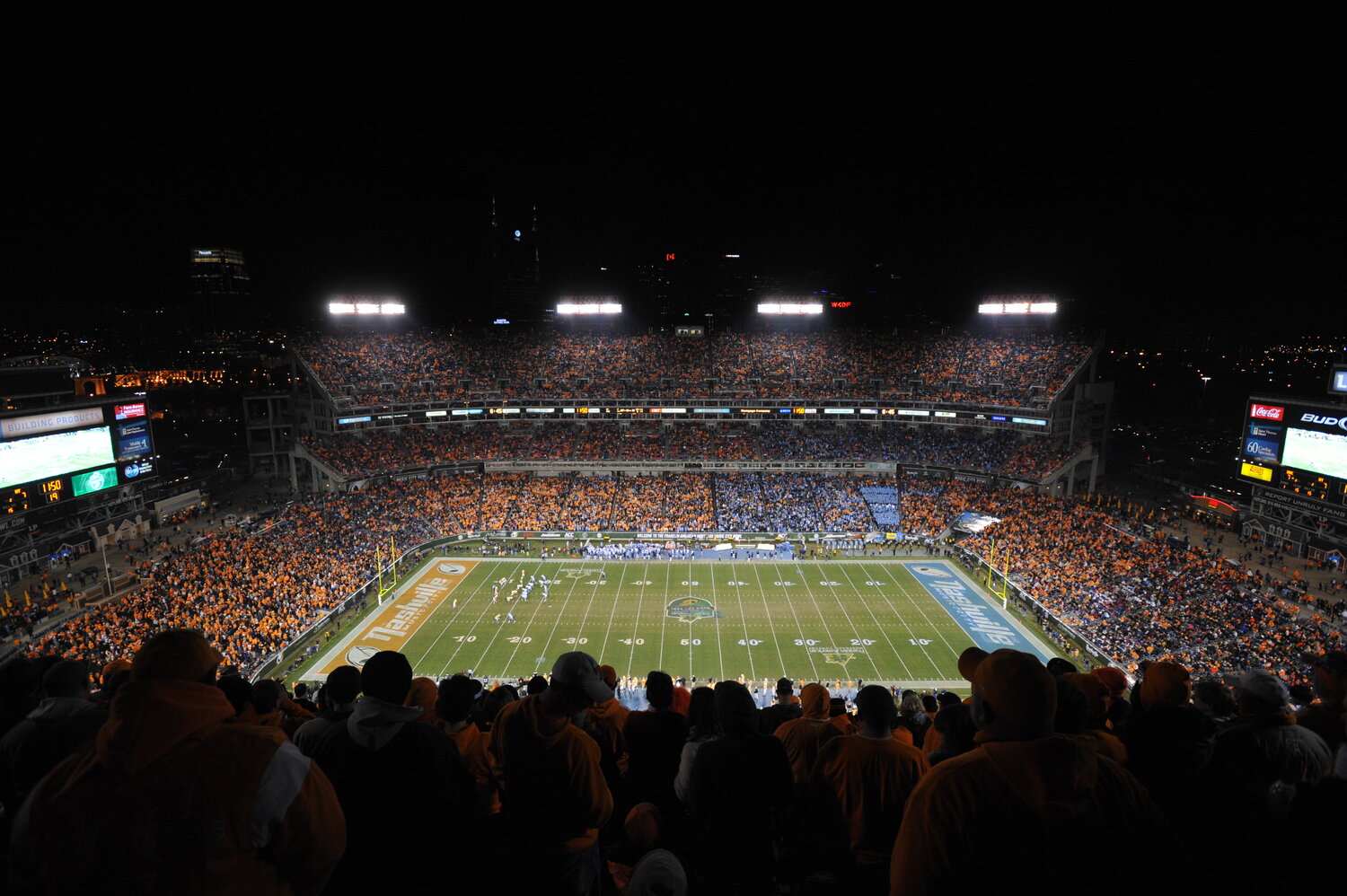
One of the two main events held annually in Nashville is the Music City Bowl, beginning in 1998 – one year after Grider joined the NSC. Today, the bowl game is one of the premier non-playoff games remaining on the December calendar, and it has an average attendance of nearly 52,000 in the CFP era.
“[The growth of the Music City Bowl] signifies the growth of the city of Nashville,” Grider says, “This book really is a parallel of not just my career, but really Nashville as a city. I jokingly say this but I’m also serious – Nashville is the star of the book and I’m just the tour guide. One of the things that I’ve been lucky enough to experience, when I started in 1997, was when the Titans stadium was being built as well as the Predators arena. We both started ascending at the same time, as well as the growth of Broadway. I would say the same thing about the Nashville Sports Council. Once we got the bowl game, we began to cultivate that SEC relationship, and next thing you know, we have the SEC Tournament here beginning in 2001.”
Today, the SEC Tournament is slated to remain in Nashville through at least 2035, and there is a good chance that the SEC extends its stay beyond then with how successful the event has been in Music City.
“The SEC Tournament has arguably the same economic impact as the bowl game,” he says, “ It’s pretty close to 20 SEC Tournaments total if we’re counting men’s and women’s. We secured a 20-year deal from 2015 to 2035, and if you think about it, other than Omaha for the College World Series and Atlanta for the SEC Football Championship, what other city has a long-term deal like that? When the conference started talking to us about wanting a long-term deal, obviously we had gotten lucky because they had wanted to get out of the Georgia Dome. They wanted it more intimate, but also having the entertainment district right outside of our door compared to the other cities, that set Nashville apart from any other cities we were competing against.”
In his book, Grider starts the story of his career from the beginning – his time in the minor leagues. He says that his time in the minors laid the foundation for his success with the Nashville Sports Council, and the way he explains it in the book, it’s very easy to understand why that’s the case.
“My first love was baseball, so that was my first choice in what I wanted to do,” says Grider, “Looking back on everything that I went through, I would have preferred to go the route I did: go into the minor leagues and learn everything that I did. If you’re in marketing at a major league level, that’s all you’re doing. In the minor leagues, you’re doing a little bit of everything and that helps determine your future if you want to stay in sports. It gives you the opportunity to see where your skillset develops best.”
“Working in the minors taught me a lot,” he continues, “I was lucky enough to have a great work ethic instilled in me by my parents, so I wasn’t afraid of hard work. When I got to Nashville to begin working on these different events, they were different in the fact that I had not done them before, but an event is an event. There was a learning curve on certain things, like building the Music City Bowl out of nothing. We had a lot of help from several different bowls that helped give us a playbook on what to do. But having the opportunity to work in the minor leagues the way I did, it helped with that learning curve and how to adapt than if I had not.”
That work ethic eventually got Grider in with the Sports Council, and led to Nashville becoming the major host market that it is today.
“People ask me why I wrote the book, and one of the reasons was because I kind of wanted the Sports Council to get its due to some degree,” he says, “Over 200 events, more than $1.5 billion in economic impact, that’s nothing to sneeze at. I feel like the organization deserves a lot of credit and a major thank you.”
The truth is, he’s right. Before reading his book, this writer had been to a handful of Music City Bowls as well as a healthy amount of SEC Tournament games without having a single idea who was behind the event even taking place in Nashville. Without the NSC, none of these events would be in Middle Tennessee in the first place. That’s something that is extremely easy to take for granted these days.
“I would hope the organization has given people the opportunity to experience things they never thought they would in this area,” Grider says, “To see it go from what it was to what it is now, I would like to think that we had a large part to play in that while growing alongside the city of Nashville.”
The best part is that Grider is a local. He knows and remembers Nashville before it became what it is today because he grew up in Shelbyville, and possessing that insight is key to his book.
“I can’t think of a better place to have grown up in to be honest,” he says about Shelbyville, “I grew up in Brookhaven. I went to kindergarten and first grade in McMinville, part of second grade in Arkansas, and then my father got transferred here in 1973 for third grade. I went to Southside school, then Harris for seventh and eighth grade, and then obviously Shelbyville Central for high school. We participated in Little League, and we rode our bikes everywhere. To have grown up in that community with friends I still have to this day, I’ve been very lucky. The city is definitely growing and getting better. I know a few times in the past couple of years when I would go to visit my mom before she passed away, Shelbyville had a lot of empty buildings and it was kind of sad, but from what I’ve seen and read now, it’s on the rise, and I’m glad that’s the case.”
Grider went on to major in Public Relations at MTSU, and he joked that it was primarily due to the lack of math required.
“Majoring in PR was because of the math, and they didn’t have event management at MTSU back then,” he says, “Back then I was a very shy person, and when it came to majoring in PR, I really wasn’t that comfortable with the idea of doing interviews. Being behind the curtain was more comfortable to me. The Sports Council has been behind the curtain for a long time. A lot of people get us confused with the Sports Authority, and to be honest, it was sort of by design. We wanted the events to get the exposure.”
After college, Grider dove headfirst into the minor leagues, before eventually coming back to Middle Tennessee and landing a job on the Sports Council in 1997. He played an extremely important role in ensuring the inaugural Music City Bowl was a success, including hand-scraping ice off the field two days before the game so it could be painted. The game between Virginia Tech and Alabama was played, and the success of the inaugural game laid the foundation for the following 28 years and counting.
In his book, Grider tells multiple stories with various levels of comedic relief, but by far the most bizarre and unexpected came in 2002 on the campus of Lipscomb University during an AAU Male Wrestling event. The coach for a team from Michigan told one of his players to fake a neck injury, and this expectedly created all kinds of chaos once the EMT workers attempted to send him to the hospital in an ambulance.
“People with AAU are normally really buttoned up, and they bring in people to assist you and tell you what to do. We rented out the area, recruited the volunteers, and set the whole event up and then they tell us how to run it and help us out,” he says, “I was in that scoring room to begin with, but when that all went down, it was pretty surreal. We already had someone going to the bathroom off the dock, and then some of the kid wrestlers had climbed into the top row of the seats to dive into the suites. All the cabinets were locked, but they just ripped the doors off and started stealing stuff. By the time we got to the ambulance, we kind of got to the point where we were like what else is going to happen because nothing else is going to surprise me. Once the coach told the kid to fake the injury and the ambulance crew had the neck brace on him, the coach said that he’s faking it. They told him once he had the brace on and was on the board that there was no way he wasn’t going to the hospital. Eventually cooler heads prevailed. Word came back to us that the coach left the kid and the parents had to come pick him up from Michigan.”
Overall, Grider appreciates the opportunities that have come his way during his career thanks to the success of the NSC and Nashville as a whole, and that comes across loud and clear in Last Call.
“This has been a great experience, and I’ve made great friends to this day,” he says, “It’s given me the opportunity to live my dream to work in sports. How many people can really say they enjoy what they do for a living? Working in baseball, I got to go to the ballpark every day. One of my favorite sounds is when the bat hits the ball during batting practice with no one around. To be able to have worked and been involved in such a diverse variety of sporting events…almost 30 bowl games, 20 SEC Basketball Tournaments, 25 Rock-N-Roll marathons, the NFL Draft, NHL All-Star Game, Music City Grand Prix, FCS Championships, golf tournaments, how lucky can one person be? I’m very very lucky to have lived my dream and have experienced what I’ve experienced. Hopefully that’s reflected in the book.”
Finally, as someone who spent the vast majority of their childhood in Shelbyville, Grider is proud to hail from the home of the Tennessee Walking Horse National Celebration – an event he worked for a couple of years as a kid.
“I’m a proud Shelbyvillian, if that’s a word,” he concludes, “I’m proud to have grown up there and be a Middle Tennessee person and helped play a small role in helping Nashville grow into what it is from a sports perspective.”
Grider is set to retire at the end of 2026, but he is aiming to stick around in a part-time advisory role. He says he’s going to miss the people the most.
Last Call is available for purchase on Amazon.com, and is well worth the read if you’re interested in the history of how Nashville grew into the destination city that it is today from a first-person perspective.